
You may be seeing everybody and their mother hyping protein online right now.
But here’s the thing, protein matters more than you think.
But especially in midlife.
I recently had a DEXA scan and learning I have osteoarthritis (at 49)! I quickly realized I was undertraining and under-eating (or at least eating the wrong things). I mean, this girl loves a carb. Here is the thing, I was vegan (and even a raw vegan) for many years, and eating animal protein does NOT come naturally for me.
Why protein and why is it such a hot topic now!
It’s no secret that we have a weight management problem in the U.S. It is one of the main reasons new weight loss drugs like Ozempic and Wegovy have gained so much popularity over this past year. But have we really peeled back the layers of this problem yet so that we can understand why we collectively struggle with weight gain as a society here in the U.S.?
One possible explanation is the “protein leverage” hypothesis. It puts forth a relatively simple yet compelling idea — humans might eat more when the protein content in their diet is low, especially with the type of access we have to processed foods today. This behavior, researchers suggest, could be a major reason behind the rising obesity epidemic.
At its core, the hypothesis points out an intriguing behavioral pattern seen in humans and many other species: we seem to prioritize protein intake over other dietary components. This makes sense, given that proteins are our bodies’ literal building blocks
Eating less protein = more hunger
This is why it’s suspected that when there’s a decrease in protein content in our diet, there’s a corresponding increase in our total food intake. Modern diets, chock-full of carbs and fats but low on protein, could make us consume extra calories. Our bodies might be constantly searching to meet their protein requirement, even if that means eating more calories than necessary. The result is unwanted weight gain.
Menopause has unique needs
The thing is, our protein needs aren’t constant throughout our life. At specific times, like during the transition to menopause, our bodies require more protein. Our protein requirements also change when we alter our activity levels, such as when an you switch to a more sedentary job.
Now, combine these changing requirements with a diet low in protein, and you get a recipe for overeating and, consequently, weight gain. So it’s more than just your hormones playing into your changing body composition in midlife.
Here is what I find super interesting to and I consider it my cheat code in midlife.
Eating 25–30 grams of high-quality protein per meal (such as chicken, fish, eggs, tofu, or yogurt) triggers L-cells in the small intestine to release natural GLP-1, a hormone that promotes satiety and improves blood sugar regulation.
This just may be the hack you need to trick your body into storing less fat in midlife.
Consuming protein-rich meals, paired with fiber and healthy fats, boosts this satiety-inducing hormone, reducing hunger and supporting weight management naturally.
Top Protein Sources to Boost Natural GLP-1
- Lean Meats & Poultry: Chicken, turkey, lean beef.
- Fish & Seafood: Salmon, herring, mackerel, tuna (also rich in omega-3s).
- Dairy: Greek yogurt, cottage cheese, whey, and casein.
- Plant-Based Protein: Tofu, tempeh, lentils, beans, peas.
- Eggs: Highly effective at triggering satiety hormones.
Key Strategies to Maximize Natural GLP-1
- Prioritize Protein First: Aim for 25-30g per meal to significantly elevate GLP-1 levels for several hours.
- Add Fiber & Healthy Fats: Soluble fiber (oats, legumes) and healthy fats (avocado, olive oil, nuts) enhance the release of GLP-1 and slow stomach emptying.
- Combine Nutrients: A balanced meal of protein, healthy fat, and fiber is the most potent, natural way to increase GLP-1.
My daily meal plan
My daily meal plan is eggs or yogurt in the am and a protein-forward lunch and dinner. My goal is always to get to 100g a day. Sometimes I make it, sometimes I do not; that’s life.
But I have found a few hacks along the way:
Two protein hacks to help you meet your goals
#1 My protein coffee I make a protein- rich coffee by mixing in both a whey protein into my coffee and a collagen protein into my foam (in a milk frother). This alone is a 35g protein drink.
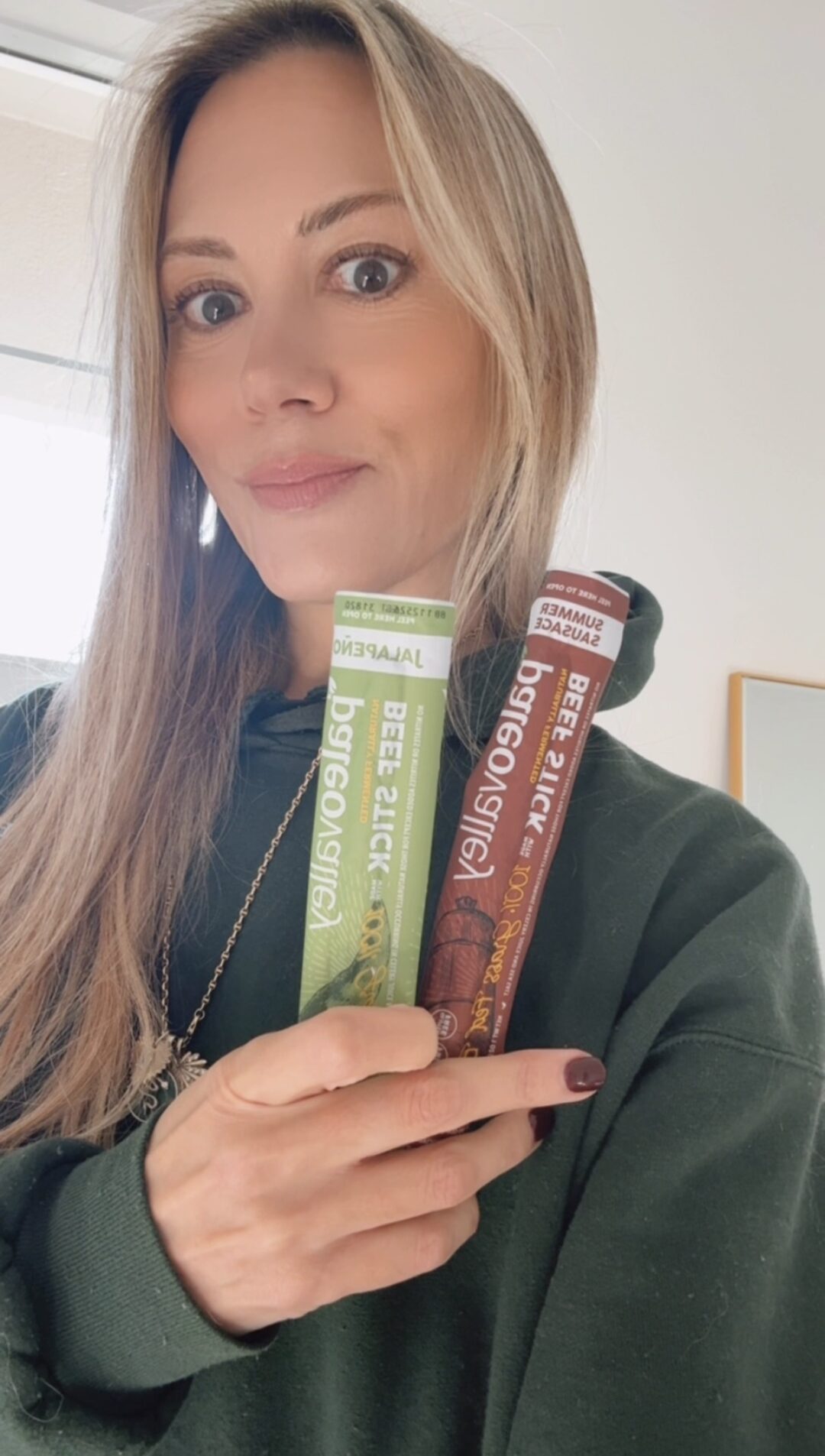
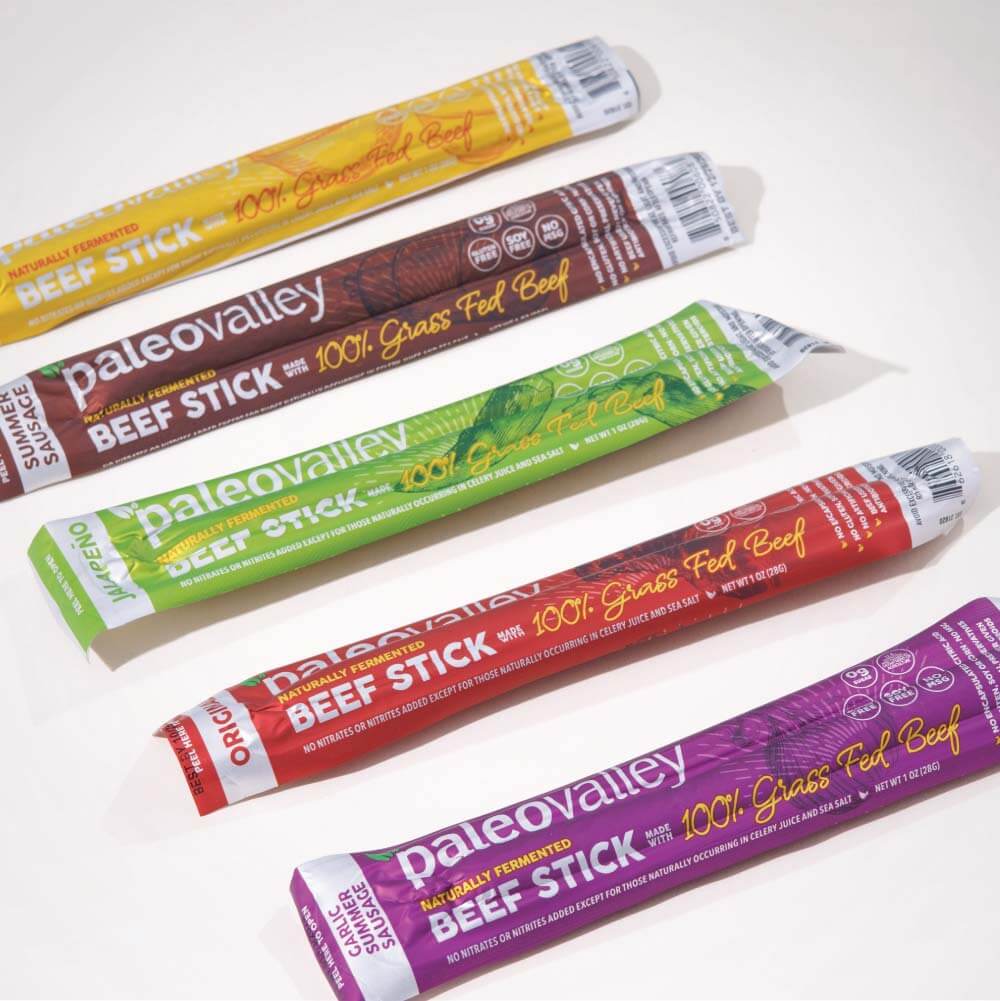
#2 My midday snack is a delicious natural beef stick from Paleovalley.
Paleovalley meat sticks are considered an excellent, high-quality, and nutrient-dense snack because they are made from 100% grass-fed and finished beef, providing 6-7g of protein and over 1 billion probiotics per serving. They are naturally fermented, paleo/keto-friendly, and free from gluten, soy, GMOs, and artificial preservatives.
Key Reasons WHY Paleovalley meat sticks are The Glow Wellness approved:
- Superior Ingredients: Made from 100% grass-fed and grass-finished beef, which is higher in Omega-3 fatty acids and antioxidants.
- Gut Health: The sticks are naturally fermented, which introduces gut-healthy probiotics.
- Clean Label: They contain no dairy, gluten, soy, or artificial preservatives.
- Convenience: They are a shelf-stable, high-protein, low-carb snack perfect for on-the-go, with 70–80 calories per stick.
- Flavor Profiles: Available in flavors like Original, Jalapeño, and Summer Sausage.
Grass-fed and grass-finished are prerequisites for all of my animal protein consumption. And the natural fermentation makes these easy to digest and easy on my gut. They taste delicious, and they are convenient on the go. I always have them on me!
The formula – how much protein do you need?
So try getting more protein in your diet and see how you feel. How much is enough? .8 grams per lb of body weight is a good place to start. The simpler approach is just to ensure you get a palm-sized serving of protein with every meal. This might just be the missing piece to help you feel and look your best for years to come. And follow my little hacks above and let me know how you do!



No Comments